Imagine this: you’re training hard, lifting heavy, hitting your calisthenics progressions, eating your protein—yet you’re still sore, tired, and not quite hitting peak performance. What’s missing? For many athletes, it’s not just about carbs or protein—it’s the fats you choose.
Dietary fat is often misunderstood. Some athletes fear it will weigh them down, while others assume “any fat” will do. But quality matters, and the right fats are critical for energy, hormone production, joint health, inflammation management, and recovery.
This guide breaks down everything you need to know about fats for athletic performance. We’ll explore types of fat, how they work in the body, what to eat more of (and what to avoid), and practical strategies to optimize your nutrition.
Ready to take your training to the next level? Let’s dive in.
Types of Dietary Fats Explained for Athletes
Not all fats are created equal. Athletes need to understand the differences because fat quality directly affects health, recovery, and performance. Here’s a breakdown:
Saturated Fats
-
Sources: Grass-fed meats, dairy, coconut oil.
-
Role: Supports hormone production, cell membranes.
-
Use in moderation. Balance with unsaturated fats.
Pro Tip: Opt for high-quality sources like pasture-raised meats and avoid highly processed meats.
Monounsaturated Fats
-
Sources: Olive oil, avocados, nuts.
-
Role: Heart health, anti-inflammatory properties.
-
Best for: Everyday cooking and salad dressings.
Polyunsaturated Fats (PUFAs)
-
Includes omega-6 and omega-3 fats.
-
Omega-6: Found in seed oils (corn, soybean, sunflower). Too much promotes inflammation.
-
Omega-3: Found in fatty fish (salmon, sardines), flaxseed, walnuts. Strongly anti-inflammatory.
Key tip: Balance is crucial. The typical Western diet is heavy in omega-6 and too low in omega-3. Aim to reduce seed oils and increase fish or algae-based omega-3s.
Research highlight:
Studies show omega-3s reduce exercise-induced inflammation and muscle soreness, supporting faster recovery.
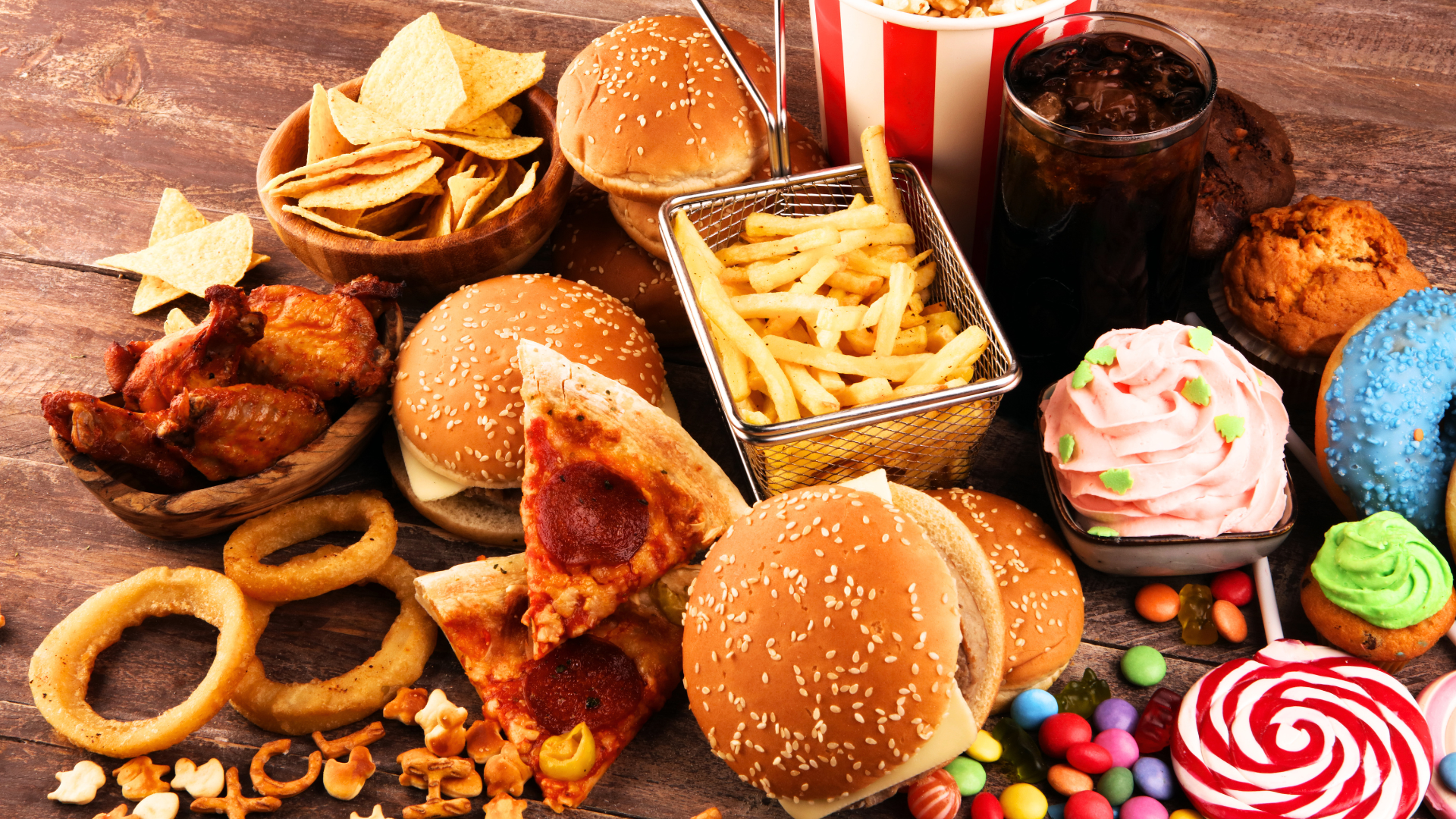
Trans Fats
-
Sources: Processed snacks, margarine, fried fast foods.
-
Role: NONE.
-
These fats increase inflammation, impair recovery, and damage cardiovascular health.
Athlete rule: Avoid entirely.
MCTs (Medium-Chain Triglycerides)
-
Sources: Coconut oil, MCT oil supplements.
-
Rapidly absorbed for energy.
-
Marketed for endurance athletes, but real-world benefits are limited for most people.
Bottom line: Might help keto-adapted athletes, but not essential for most. Focus on whole-food fats first.
Takeaway for Athletes:
✔ Prioritize natural, minimally processed fats.
✔ Focus on omega-3-rich foods.
✔ Eliminate trans fats completely.
✔ Use saturated fats in moderation from high-quality sources.
Omega-3s for Athletes: Reduce Inflammation and Boost Recovery
Omega-3 fatty acids are among the most important nutrients for athletes looking to recover faster and reduce chronic inflammation. Unlike omega-6 fats, which can promote inflammation in excess, omega-3s have strong anti-inflammatory effects that support joint health, cardiovascular function, and even mental focus.
Why Omega-3s Matter for Athletic Performance
Exercise, especially strength training and calisthenics, causes micro-tears in muscle fibers that need to heal. This healing process naturally involves inflammation. While some inflammation is good—it triggers adaptation and growth—too much can delay recovery and even lead to overtraining injuries.
Omega-3s, particularly EPA and DHA found in fatty fish, help manage this inflammation. Research has shown omega-3 supplementation can:
-
Reduce muscle soreness after intense workouts
-
Improve joint health and reduce pain
-
Support cardiovascular health, critical for endurance and overall training capacity
-
Enhance immune function, reducing risk of illness during heavy training cycles
One study published in the Journal of the International Society of Sports Nutrition found that omega-3 supplementation reduced delayed-onset muscle soreness (DOMS) and improved range of motion after exercise.
Best Sources of Omega-3s for Athletes
To get these benefits, prioritize:
-
Fatty fish: salmon, sardines, mackerel, anchovies
-
Fish oil or algae-based supplements (for those who don’t eat fish)
-
Flaxseeds, chia seeds, and walnuts (plant-based ALA, less efficiently converted)
Balancing Omega-3 and Omega-6
Modern diets are often skewed toward omega-6 fats from seed oils and processed foods. While omega-6s are essential in small amounts, excessive intake promotes inflammation. Athletes should aim for a balanced ratio by:
-
Reducing seed oil consumption (corn, soybean, sunflower oils)
-
Prioritizing whole-food sources of healthy fats
-
Regularly including omega-3-rich foods in meals
Actionable Tips
-
Include fatty fish 2–3 times per week.
-
Consider high-quality omega-3 supplements if dietary intake is low.
-
Check ingredient lists to reduce hidden seed oils.
Balancing these fats can lead to noticeable improvements in recovery time, joint health, and overall training consistency.
Why Fat Matters in Strength Training and Calisthenics
Dietary fat often gets overlooked in strength and calisthenics circles, where protein typically steals the spotlight. But the truth is, high-quality fat is a cornerstone of long-term performance, recovery, and even injury prevention.
Supporting Hormone Production
Hormones like testosterone and growth hormone are essential for muscle growth, repair, and overall strength gains. These hormones are built from cholesterol and dietary fat. Low-fat diets can lead to reduced hormone levels, negatively impacting performance and recovery.
For athletes practicing demanding calisthenics movements—like muscle-ups, planches, or advanced push-up variations—optimal hormone balance is critical. It fuels training adaptations and supports lean muscle development.
Joint Health and Injury Prevention
Calisthenics often places high demands on joints, tendons, and connective tissues. Essential fatty acids help maintain joint lubrication and manage inflammation, reducing the risk of chronic pain or overuse injuries.
Omega-3s, in particular, are vital for joint health, as they combat inflammatory processes that can flare up with high-volume training. Including enough healthy fats can mean the difference between consistent, pain-free practice and nagging injuries that stall progress.
Energy Density for Hard Training
While carbs are excellent for short bursts of energy, fat offers a more sustained, calorie-dense fuel source. This is especially important for athletes with high training volumes or those in bodyweight strength disciplines who want to maintain lean muscle without bulking excessively.
Including healthy fats in meals helps athletes meet their energy needs without resorting to processed snacks or excess sugar, keeping training fuel clean and effective.
Practical Tips for Strength Athletes and Calisthenics Practitioners
-
Include fat in every meal for satiety and steady energy.
-
Opt for whole-food sources like olive oil, avocados, nuts, seeds, fatty fish, and grass-fed meats.
-
Avoid processed seed oils and trans fats, which increase inflammation and impair recovery.
-
Use cooking methods that preserve fat quality, like low-temperature roasting or raw dressings.
By understanding the role of fat in hormone production, joint health, and fueling, athletes can fine-tune their nutrition to support demanding strength and calisthenics goals.
Best Sources of Healthy Fats for Athletes
Not all fats are created equal. For athletes—especially those dedicated to strength training, calisthenics, or high-volume bodyweight routines—quality matters as much as quantity. Choosing the right sources of fat can support recovery, reduce inflammation, and provide sustained energy for demanding sessions.
Whole-Food, Minimally Processed Fats
Whole-food sources should form the foundation of your fat intake. These foods naturally balance essential fatty acids and contain important micronutrients:
-
Avocados: Rich in monounsaturated fats, fiber, and potassium. Great for heart health and anti-inflammatory effects.
-
Nuts and Seeds: Almonds, walnuts, chia, and flaxseed provide healthy fats and plant-based omega-3s.
-
Olive Oil: Extra-virgin olive oil is a staple of anti-inflammatory diets. Use it for dressings and low-heat cooking.
Fatty Fish and Marine Omega-3s
Fatty fish are unmatched for their EPA and DHA content, essential for managing inflammation and supporting joint health:
-
Salmon, sardines, mackerel, anchovies: These options deliver potent doses of omega-3s.
-
Fish oil supplements: For athletes who don’t eat fish regularly, high-quality fish oil or algae-based omega-3 supplements can help maintain optimal levels.
High-Quality Animal Fats
Saturated fats have a role when sourced carefully:
-
Grass-fed beef, pasture-raised pork, free-range eggs: These provide balanced saturated fat along with fat-soluble vitamins (A, D, E, K2) critical for performance and recovery.
-
Dairy (if tolerated): Grass-fed butter or ghee can supply healthy saturated fats and support cooking needs.
Coconut and MCT Oils
While more niche, these fats offer unique benefits:
-
Coconut oil: Contains medium-chain triglycerides (MCTs) that provide quick, easily digestible energy—popular among endurance athletes and those following lower-carb approaches.
-
MCT oil supplements: Useful for targeted fueling but should not replace whole-food fat sources.
What to Limit or Avoid
-
Processed seed oils: Soybean, corn, canola, and sunflower oils are high in omega-6 fats that, in excess, promote inflammation.
-
Trans fats: Found in margarine, fried foods, and many processed snacks—these should be completely avoided.
Actionable Tips
-
Cook with olive oil or coconut oil at low to medium heat.
-
Include a fatty fish meal 2–3 times per week.
-
Add nuts, seeds, or avocado to salads and bowls.
-
Avoid deep-fried foods and packaged snacks with industrial oils.
By choosing these high-quality fats, athletes can better manage inflammation, improve joint health, and fuel high-level performance without unwanted weight gain or health risks.
Balancing Fats with Carbs and Protein for Optimal Performance
While healthy fats play a vital role in an athlete’s nutrition, they’re only one part of the bigger picture. Effective training, whether it’s for calisthenics, strength work, or endurance, relies on getting the right balance of fats, carbohydrates, and protein.
Understanding this balance ensures you’re fueling workouts properly, recovering efficiently, and meeting your body’s needs for adaptation and growth.
The Role of Carbohydrates
Carbs are the primary, fast-burning fuel for high-intensity and anaerobic training. For bodyweight athletes practicing explosive calisthenics movements or intense strength circuits, carbs provide:
-
Quick energy for training sessions
-
Improved glycogen stores for sustained performance
-
Support for hormonal health, including thyroid function
Sources of nutrient-dense carbs include:
-
Sweet potatoes, potatoes, squash
-
Rice and whole grains (if tolerated)
-
Fruits like bananas and berries
The Role of Protein
Protein is non-negotiable for recovery, muscle repair, and adaptation. Strength training and calisthenics break down muscle fibers that require amino acids to rebuild stronger.
-
Aim for at least 1.2–2.0 grams of protein per kilogram of bodyweight daily, depending on training intensity and goals.
-
Prioritize high-quality sources: eggs, fish, poultry, lean meats, dairy (if tolerated), and well-planned plant-based proteins.
Fats Complete the Picture
While carbs and protein often get center stage in athletic nutrition, fats are equally essential:
-
Support hormone production (including testosterone and growth hormone)
-
Aid in absorbing fat-soluble vitamins (A, D, E, K)
-
Provide sustained, slow-burning energy
-
Manage inflammation for recovery and joint health
Healthy fats help regulate appetite and energy, making them especially important for athletes training multiple times per day or managing bodyweight for calisthenics goals.
Finding Your Balance
There’s no one-size-fits-all macro ratio, but here are some general guidelines:
-
High-intensity or explosive training: Higher carb intake to replenish glycogen and fuel sessions.
-
Mixed strength and skill work: Moderate carbs, moderate fat, high protein.
-
Lower-intensity, endurance, or fat-adapted training: Higher fat intake can support sustained energy.
Most importantly, stay flexible. Athletes often adjust macros based on training phases, goals, and personal response. Tracking intake for a few weeks can provide insight into what balance feels best.
Actionable Tips
-
Build meals around protein first, then add carbs and fat to match training demands.
-
Don’t fear healthy fats—include them in every meal for satiety and recovery.
-
Periodize carbs to match training intensity.
-
Stay hydrated and prioritize micronutrients through diverse whole foods.
A balanced approach isn’t about restricting any one macronutrient but about using them intentionally to fuel performance, support recovery, and keep training sustainable over the long term.
Sample Meal Ideas and Nutrition Tips for Athletes
Now that we’ve covered the why and how of balancing fats, carbs, and protein, let’s make it practical. For athletes training in calisthenics, strength, or endurance, meals should be nutrient-dense, satisfying, and strategically built to support performance and recovery.
Below are sample meal ideas and actionable tips to help you plan and enjoy balanced, performance-friendly nutrition.
Breakfast Options
Savory:
-
3–4 scrambled eggs cooked in grass-fed butter or olive oil
-
Sautéed spinach and bell peppers
-
Half an avocado
-
Small serving of roasted sweet potato or sourdough toast
Sweet:
-
Greek yogurt or cottage cheese
-
Mixed berries and sliced banana
-
Handful of walnuts or almonds
-
Drizzle of honey (optional)
Nutrition Focus:
-
Protein from eggs/dairy
-
Healthy fats from avocado/nuts
-
Moderate carbs for glycogen replenishment
Lunch Ideas
High-Protein Power Bowl:
-
Grilled chicken thighs or salmon
-
White rice or quinoa
-
Roasted veggies (broccoli, carrots, zucchini)
-
Olive oil and lemon dressing
Wrap or Sandwich:
-
Whole-grain wrap or sourdough bread
-
Lean turkey or grilled tofu
-
Leafy greens, tomatoes, cucumber
-
Hummus or smashed avocado spread
Nutrition Focus:
-
Protein to repair muscle
-
Carbs for fuel
-
Fats for sustained energy and nutrient absorption
Dinner Options
Simple Balanced Plate:
-
Grass-fed beef or plant-based protein patties
-
Mashed potatoes or roasted root veggies
-
Steamed green beans
-
Small side salad with vinaigrette
Fish and Veggies:
-
Baked salmon with garlic and herbs
-
Wild rice or lentils
-
Roasted asparagus and cherry tomatoes
Nutrition Focus:
-
Omega-3s for inflammation control
-
High-quality carbs
-
Colorful veggies for antioxidants
Snacks and Recovery Foods
-
Handful of mixed nuts and dried fruit
-
Apple slices with almond butter
-
Hard-boiled eggs
-
Protein shake with added flaxseed oil
-
Greek yogurt with granola and berries
Nutrition Focus:
-
Convenient, balanced macros
-
Portable for busy athletes
-
Supports post-workout recovery
Hydration and Timing Tips
-
Drink water consistently throughout the day; consider adding electrolytes for long sessions or hot environments.
-
Eat balanced meals every 3–5 hours to maintain energy and recovery.
-
Consider timing carbs around training (before and after) to optimize glycogen stores.
Actionable Tips for Athletes
-
Shop for local produce and high-quality meats whenever possible.
-
Batch-cook meals ahead of busy training weeks.
-
Work with a qualified coach (in-person or online) to tailor your nutrition plan.
-
Experiment with meal timing and macronutrient ratios to find what supports your training best.
By turning theory into meals, you make balanced nutrition an effortless part of your athletic journey. With the right fuel, you’ll be ready to tackle calisthenics progressions, heavy lifts, or long days of training with confidence and energy.
Common Mistakes to Avoid with Dietary Fats
Even though healthy fats are essential for performance, recovery, and overall well-being, many athletes unknowingly make mistakes that can undermine their nutrition goals. Let’s explore some of the most common pitfalls—and how to avoid them.
Mistake 1: Overconsuming Processed and Refined Fats
Not all fats are created equal. While natural fats from whole foods support health, highly processed and refined fats can promote inflammation and impair recovery.
Avoid:
-
Hydrogenated oils (trans fats)
-
Industrial seed oils (e.g., soybean, corn, cottonseed) used in many processed snacks and fast foods
Do Instead:
-
Prioritize extra-virgin olive oil, avocado oil, grass-fed butter, ghee, and coconut oil for cooking.
-
Include whole-food fat sources like nuts, seeds, avocados, and fatty fish.
Mistake 2: Ignoring Fat Quality in Restaurant and Packaged Foods
Even athletes who eat healthy at home often forget to consider what oils are used in restaurant meals or packaged snacks. Many eateries use cheap, inflammatory oils for cooking.
Tips:
-
Ask for olive oil or butter instead of generic vegetable oil when dining out.
-
Limit processed, packaged foods with poor-quality fats.
Mistake 3: Cutting Out Fats Entirely to “Eat Clean” or Reduce Calories
Some athletes, especially those trying to lean out for aesthetics or weight classes, mistakenly slash fat intake drastically. This can have negative consequences:
-
Hormone production may decline (testosterone, estrogen, cortisol balance)
-
Fat-soluble vitamin absorption (A, D, E, K) is compromised
-
Satiety drops, leading to increased cravings
Do Instead:
-
Include moderate amounts of healthy fats in every meal.
-
Focus on fat sources that provide nutrients, like fatty fish for omega-3s or eggs for choline.
Mistake 4: Not Balancing Fat Intake with Carb and Protein Needs
Another common mistake is swinging too far in one direction—either going ultra-high fat and too low carb, or vice versa, without considering training demands.
Key Considerations:
-
High-intensity, glycolytic activities (calisthenics, CrossFit, sprinting) require adequate carbs for optimal performance.
-
Fats are essential for endurance training and recovery but shouldn’t replace carbs needed for explosive strength.
Solution:
-
Match fat intake to training phase and goals.
-
Periodize macros to support the demands of your workouts.
Mistake 5: Forgetting About Omega-3/Omega-6 Balance
Most Western diets are too high in omega-6 fats (found in many vegetable oils) and too low in omega-3s (found in fatty fish, flaxseeds, walnuts). This imbalance promotes inflammation.
Fix It By:
-
Including oily fish (salmon, mackerel, sardines) 2–3 times per week.
-
Using omega-3 rich plant sources if vegetarian or vegan.
-
Limiting fried and processed foods high in omega-6 oils.
Actionable Tips for Athletes
-
Review your pantry oils—swap out cheap vegetable oils for healthier alternatives.
-
Be mindful of hidden fats in sauces, dressings, and takeout meals.
-
Work with a certified nutritionist (in-person or online) to fine-tune your fat intake for your sport and body composition goals.
By avoiding these common mistakes, athletes can make sure dietary fats work for them—not against them—fueling better performance, faster recovery, and long-term health.
Final Thoughts
Fueling your training isn’t just about cramming in calories—it’s about choosing the right balance of macronutrients to support your goals, performance, and overall health. Dietary fats often get misunderstood or overlooked, but as we’ve explored, they’re essential for any serious athlete aiming to level up their strength, calisthenics skills, or endurance capacity.
By understanding the role of fats in your diet, selecting high-quality sources, and avoiding common pitfalls, you set yourself up for success. The benefits are clear: improved hormone health, better joint lubrication, superior recovery, sustained energy, and even enhanced mental focus. When you match this with smart carb and protein strategies, you build a complete nutrition approach that powers you through every workout.
At MOVE GST in Clearwater, we believe nutrition should never be an afterthought. Whether you’re working on one-arm push-ups at home, training for your first pull-up, or refining your advanced calisthenics skills, the right nutrition plan can make all the difference. That’s why we offer both online and in-person coaching, tailored to your unique goals. We combine science-based guidance with real-world experience in functional medicine, sports nutrition, and calisthenics training.
Ready to make your nutrition work for you?
👉 Book your FREE Intro Session here
Let’s design a personalized strategy that empowers you to train harder, recover better, and see results you’re truly proud of.