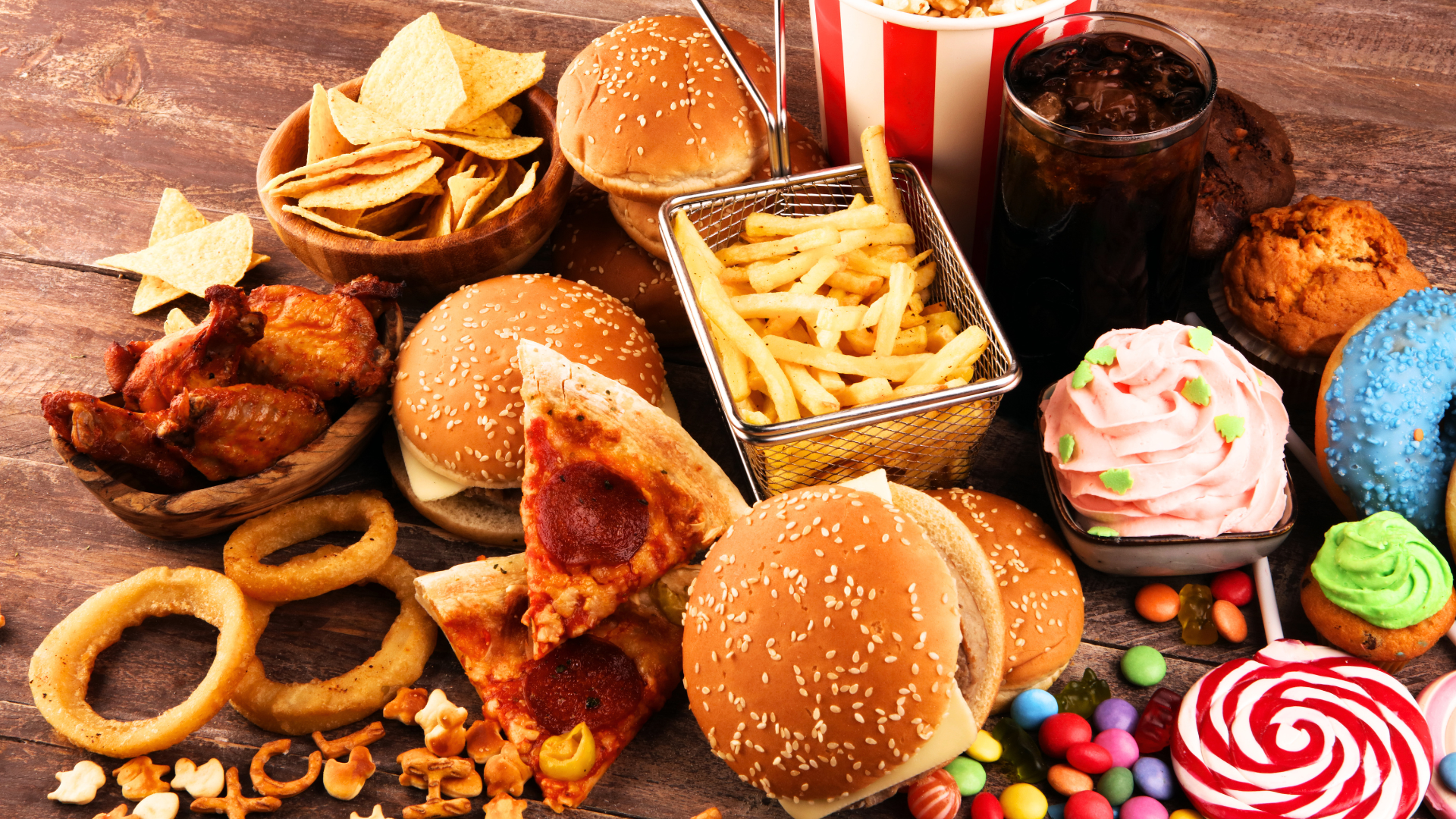
When people talk about cravings, the conversation usually gets reduced to discipline.
You just need more self-control. More restraint. More willpower.
But that explanation is usually too shallow to be useful.
At MOVE, we see this all the time with people who are genuinely trying to do better with their nutrition. They are not lazy. They are not weak. They are not “bad” at eating well.
They are often under-recovered, under-fueled, over-stressed, under-slept, or stuck in a food environment that keeps pushing the same reward loops over and over again.
And that changes the experience of hunger.
Cravings are often physiology before they become behavior.
That matters, because if you keep treating cravings like a character flaw, you will miss the actual drivers underneath them.
Cravings Are Not Random
A craving usually feels sudden.
It feels like it came out of nowhere.
But most of the time, it did not.
There is usually a setup behind it.
That setup might include:
- Poor sleep
- High stress
- Long gaps without eating
- Low protein intake
- Blood sugar swings
- Highly processed foods that make “just one bite” harder to regulate
When those things stack up, the body and brain stop feeling neutral around food.
That is when sugar and junk food start to feel less like a casual preference and more like a pull.
Why Sleep Changes the Food Conversation
Sleep is one of the biggest blind spots here.
When someone is under-slept, cravings often get louder.
Not because they suddenly became less disciplined overnight, but because sleep changes appetite, energy, reward, and decision-making.
When you are tired, your body is more likely to look for quick energy and easy reward.
That usually does not show up as a craving for steak, fruit, or eggs.
It shows up as sugar, refined carbs, salty snacks, and foods that are easy to overeat.
At MOVE, this is one of the reasons we do not treat nutrition in isolation.
If someone is sleeping poorly all week, it is going to affect how food feels.
Better sleep often makes better food choices feel easier, not because the person changed morally, but because the physiology changed.
Stress Does Not Just Live in Your Head
Stress changes the body.
It changes attention, energy, appetite, and reward-seeking behavior.
That is why the same person can feel perfectly “in control” one week and then feel like they are white-knuckling every food decision the next.
Under stress, food can stop feeling like nourishment and start feeling like relief.
That does not mean stress automatically causes cravings in a simple, one-to-one way.
It means stress shifts the internal conditions that make cravings more likely.
This is especially relevant for adults juggling work, kids, training, recovery, and life in general.
Which is a lot of the population we work with at MOVE.
If stress is always high and recovery is always low, cravings are often part of the picture.
Why Highly Processed Food Hits Differently
Not all foods behave the same way.
Some foods are very easy for the body to regulate.
Others are engineered to be hyper-palatable: easy to eat, easy to repeat, and hard to feel fully done with.
This is one of the reasons sugar and junk food cravings can feel so strong.
These foods tend to combine fast-digesting carbs, refined fats, intense flavor, and convenience in a way that bypasses a lot of the friction that whole foods naturally create.
You chew less. You stop later. You get more reward faster.
So when someone says, “I can’t stop craving this stuff,” the answer is not always deeper psychology.
Sometimes the answer is that the food environment is doing exactly what it was built to do.
Under-Eating Earlier Can Backfire Later
This is another big one.
A lot of people try to “be good” early in the day.
They skip breakfast. They eat very lightly at lunch. They keep calories low. They avoid carbs. They run on coffee.
Then evening comes, and suddenly cravings hit hard.
This is not always a mystery.
If the body has been under-fueled most of the day, especially with too little protein and not enough total intake, the brain starts pushing harder for fast energy and reward.
That is when the cravings get mislabeled as failure.
At MOVE, this is where nutrition coaching becomes practical.
Sometimes the fix is not more restriction.
Sometimes the fix is giving the body a more stable foundation so it does not have to fight so hard later.
Blood Sugar Stability Matters More Than People Think
Cravings often get worse when energy is unstable.
If meals are built around quick carbs with very little protein, fiber, or structure, energy tends to rise fast and fall fast.
That fall changes how food feels.
People often describe it as being suddenly hungry, shaky, irritable, tired, or desperate for something sweet.
And once again, that does not feel like a calm food decision.
It feels urgent.
This is why we spend so much time at MOVE helping people build meals that actually support steadier energy.
Not because every meal has to be perfect, but because steadier energy usually means steadier appetite and fewer chaotic cravings.
The MOVE Approach to Cravings
We do not approach cravings like a motivation problem first.
We approach them like a signal.
We want to understand what the body is trying to say.
That usually means looking at:
- Sleep quality
- Stress load
- Meal timing
- Protein intake
- Food quality
- Training load and recovery
Because when those things improve, cravings often change too.
Not always instantly. Not perfectly. But meaningfully.
This is what makes our nutrition coaching different from generic advice.
We are not just telling people to “try harder.”
We are helping them create a system where the body is less likely to keep screaming for quick relief.
What To Do If Sugar and Junk Food Cravings Keep Winning
The answer is usually not to shame yourself harder.
It is to tighten up the structure around the problem.
That might mean:
- Getting more sleep consistently
- Eating enough protein earlier in the day
- Reducing long gaps between meals
- Building meals around whole foods that actually satisfy you
- Managing stress better instead of letting food do all the regulation work
- Making sure your training is supporting you, not just draining you
Those things sound simple, but they are powerful.
Because once the body feels safer, steadier, and better supported, cravings usually stop feeling so loud.
Want Help Getting to the Root of Your Cravings?
If you feel like you are constantly fighting sugar and junk food cravings, there is usually more going on than a lack of willpower.
At MOVE, we help people look at the whole picture: nutrition, sleep, stress, training, recovery, and the habits that actually shape appetite and food choices.
If you want support building a system that makes eating well feel more realistic, you can book a free intro session with our team.
Because cravings are not always the problem.
Sometimes they are the clue that the body needs a better setup.