Hydration is one of the most overlooked pieces of the fitness puzzle.
People spend hours thinking about training programs, supplements, and diet strategies… but something as basic as drinking enough water often gets ignored.
At MOVE, we see this all the time. Someone walks into a class feeling sluggish, joints feel stiff, energy is low—and when we start asking questions, the answer is usually simple:
They’re under-hydrated.
Water might not be flashy, but it plays a critical role in performance, recovery, and overall health.
Let’s break down how much water you actually need before, during, and after exercise, and how to make hydration part of your training routine.
Why Hydration Matters More Than You Think
Your body is largely made of water. When you train—whether it’s strength training, calisthenics, or conditioning—you lose fluid through sweat and breathing.
Even mild dehydration can affect:
-
Energy levels
-
Coordination and concentration
-
Muscle performance
-
Recovery speed
Water also helps:
-
Deliver oxygen and nutrients to muscles
-
Lubricate joints
-
Regulate body temperature
-
Support digestion and recovery
When hydration drops, your blood becomes slightly thicker and oxygen delivery to muscles becomes less efficient, which directly impacts performance.
In other words: you will feel it in your training.
How Much Water You Should Drink Before Exercise
A common mistake is starting a workout already dehydrated.
If you show up to training with low hydration levels, your body immediately starts playing catch-up.
A good rule of thumb is:
-
17–20 oz (500–600 ml) of water about 2 hours before training
-
Around 8 oz (240 ml) about 20–30 minutes before your workout
This ensures your body starts the session with enough fluid available to regulate temperature and support muscular effort.
At MOVE, we often remind clients:
Hydration begins hours before training—not when the workout starts.
How Much Water To Drink During Exercise
During training, the goal is to replace fluid lost through sweat without overwhelming your stomach.
Most sports medicine guidelines suggest:
-
4–8 oz (120–240 ml) every 15–20 minutes of exercise
This doesn’t mean chugging water all at once.
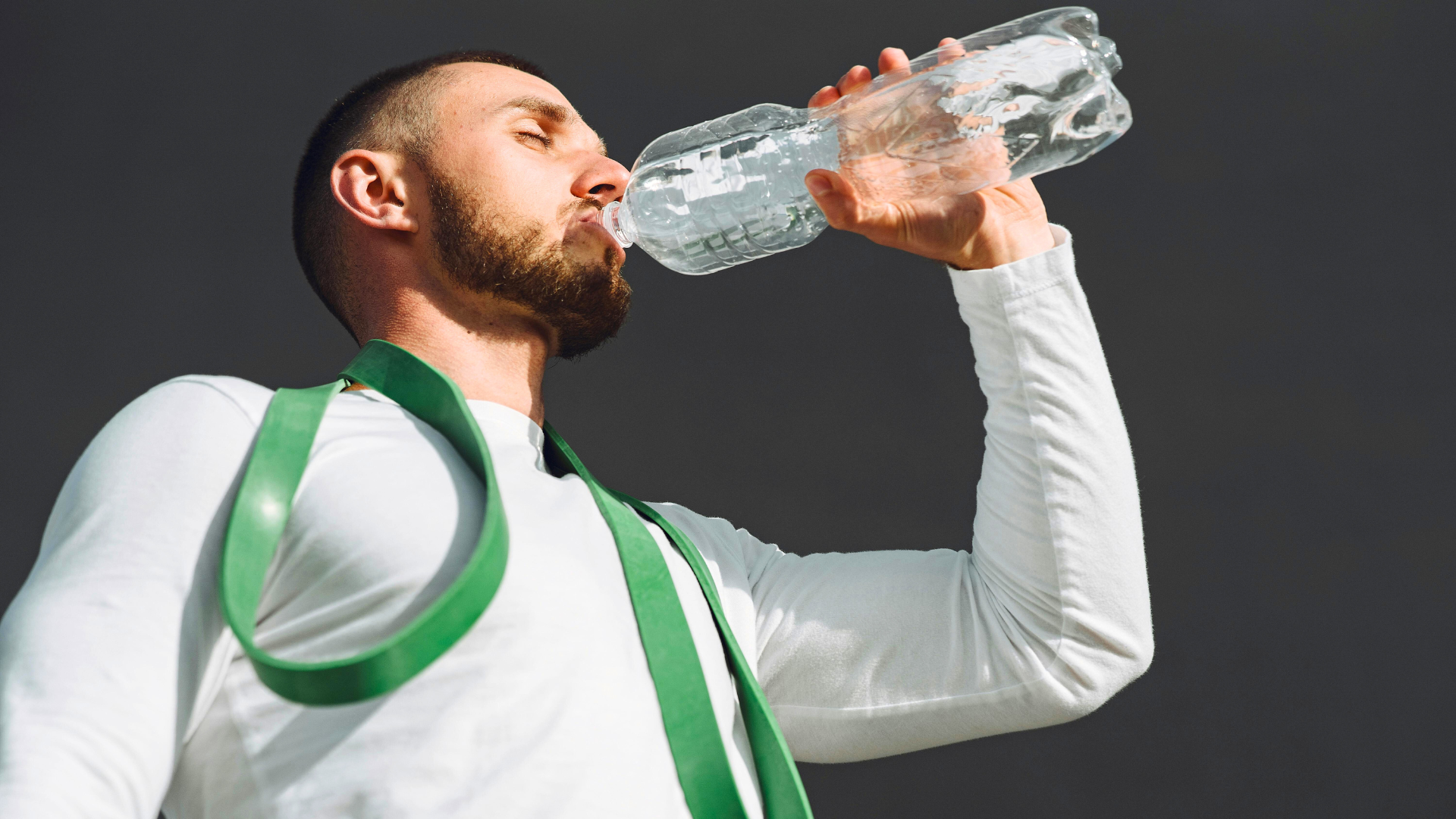
Instead, take small, consistent sips throughout the workout.
This is especially important during:
-
Long training sessions
-
High-intensity workouts
-
Hot weather
-
Conditioning sessions
For most people doing strength training or calisthenics classes, plain water is perfectly sufficient.
Electrolytes may become more important when:
-
Training longer than 45–60 minutes
-
Sweating heavily
-
Training outdoors in heat
Hydration After Your Workout
Recovery doesn’t end when the workout finishes.
Your body still needs water to support:
-
Muscle repair
-
Nutrient absorption
-
Glycogen replenishment
-
Temperature regulation
One of the easiest ways to estimate your hydration needs is to weigh yourself before and after training.
For every pound lost during exercise, aim to drink around 2–3 cups of water to replace that fluid loss.
Another simple indicator?
Check your urine color.
Ideally it should be pale yellow—similar to lemonade. Dark yellow often means you need more fluids.
Signs You’re Not Drinking Enough Water
Your body usually gives signals before dehydration becomes serious.
Common signs include:
-
Fatigue
-
Headaches
-
Muscle cramps
-
Dark urine
-
Reduced training performance
-
Difficulty concentrating
Interestingly, thirst itself can already be a late sign of dehydration, meaning your body has already lost some fluid balance.
This is why building consistent hydration habits throughout the day matters.
A Practical Hydration Strategy
Instead of obsessing over exact numbers, focus on building a simple routine.
A good starting point:
Morning
-
Drink a large glass of water after waking
Throughout the day
-
Keep a water bottle nearby
-
Drink regularly between meals
Before training
-
Drink water 1–2 hours before your session
During training
-
Take small sips every few minutes
After training
-
Continue hydrating and eat a balanced meal
Hydration is not about drinking huge amounts at once. It’s about consistent intake across the entire day.
The MOVE Approach
At MOVE, we focus on building strong, resilient, capable bodies.
That means paying attention to the fundamentals:
-
Strength
-
Mobility
-
Nutrition
-
Recovery
-
Hydration
Hydration may seem simple, but it directly affects how you move, how you recover, and how you feel day to day.
When people start training consistently, improving sleep, eating real food, and staying hydrated, something interesting happens.
They start feeling like themselves again.
More energy. Better focus. Less pain.
Sometimes the biggest improvements don’t come from complicated strategies.
They come from doing the basics well, consistently.
Want Help Optimizing Your Training and Nutrition?
If you’re trying to build strength, improve mobility, and support your long-term health, having the right guidance makes a big difference.
At MOVE, we help people develop sustainable training and nutrition habits that actually work in the real world.
If you’d like to learn more, you can book a free intro session with one of our coaches and see how our training approach can support your goals.
Your body will thank you for it.