Why Overhead Strength Matters (Even If You’re Not a Gymnast)
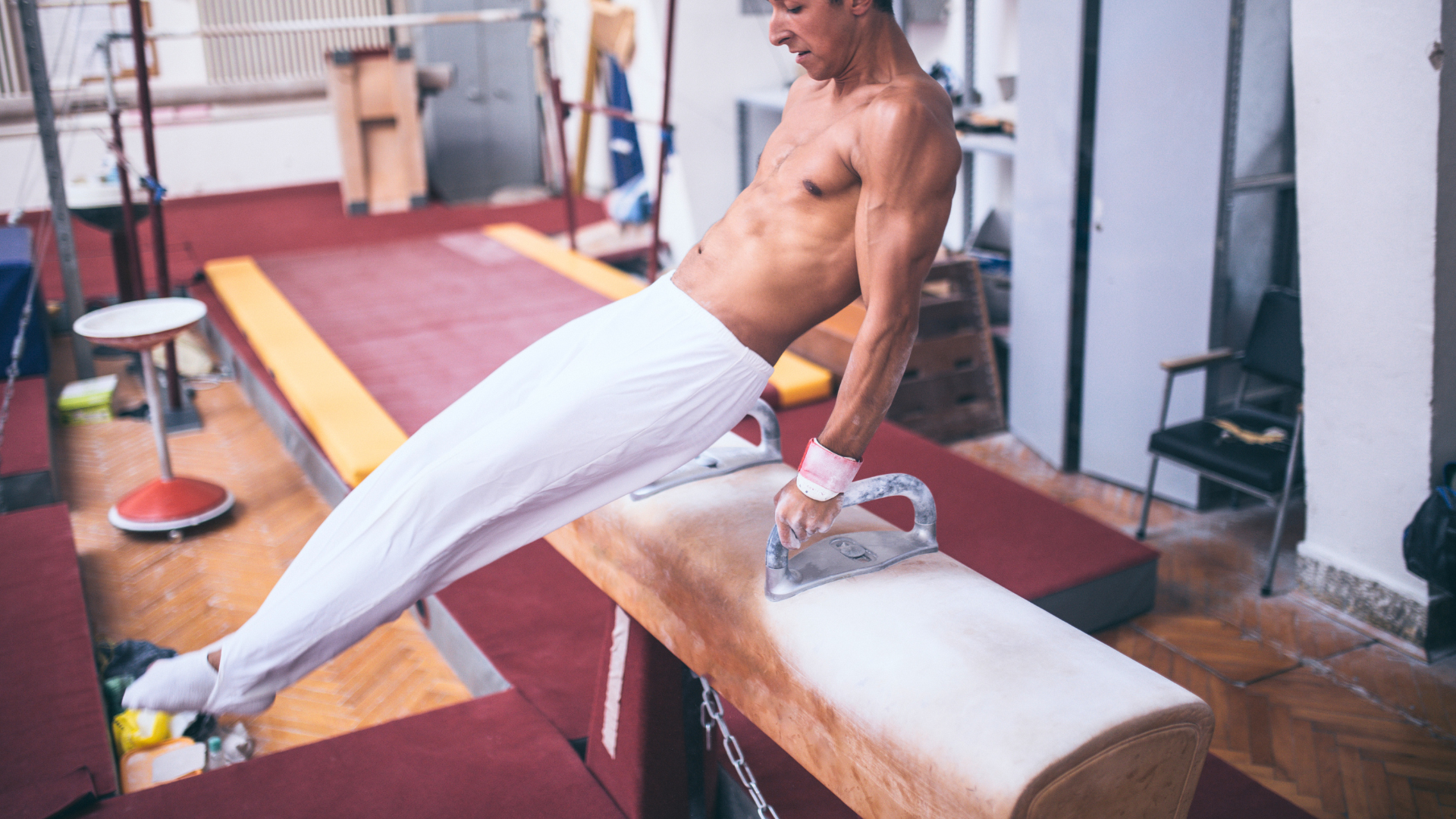
When thinking about overhead strength and mobility, images of gymnasts gracefully executing flawless handstands, cartwheels, and breathtaking acrobatics often come to mind. And for good reason—these movements require immense strength and exceptional mobility. But overhead strength isn’t just about elite athletic performances or extraordinary feats. It’s about enhancing everyday life in ways we often overlook.
Picture yourself reaching up high to put dishes away effortlessly, stacking storage boxes on a top shelf without strain, or confidently raising your arm to high-five a taller friend. These daily activities may seem trivial, yet without proper overhead strength and mobility, they can be difficult or even painful.
Many people unknowingly neglect this crucial area, only realizing its importance once limitations or discomfort arise. Fortunately, integrating simple yet effective overhead strength and mobility drills into your regular routine can dramatically improve not just your performance in the gym, but your comfort and ease of movement in daily life.
In this article, inspired by MOVE GST’s own Coach Anika, you’ll discover specific exercises designed to build overhead strength and increase mobility, allowing you to perform better in both athletic endeavors and everyday tasks.
Let’s dive into exercises that make overhead strength accessible and beneficial for everyone.
Banded Shoulder Rotations for Comprehensive Mobility
Shoulder health is often overlooked, but it’s fundamental for achieving full overhead mobility and avoiding injury. Banded shoulder rotations are an excellent exercise to build strength and mobility simultaneously, as they activate supporting shoulder muscles from multiple angles.
To perform banded shoulder rotations:
-
Secure a resistance band at shoulder height on stall bars or any stable anchor point.
-
Stand facing away from the anchor point, with your palms facing forward.
-
Keeping arms straight, pull the band forward and upward, rotating through your shoulder joints until your arms reach overhead.
-
Continue rotating your arms behind your head, maintaining tension, and complete the circle back to the starting position.
This dynamic movement engages the rotator cuff and stabilizing muscles, improving overall shoulder strength and flexibility. Regularly practicing this exercise can significantly enhance your shoulder health, helping you perform everyday tasks with ease and efficiency.
Plank Wall Walks: Unlock Your Overhead Range
Many people struggle to achieve a comfortable overhead position due to limited shoulder mobility. Plank wall walks are a highly effective exercise to address this limitation. They help increase overhead strength and flexibility by utilizing gravity to deepen the stretch naturally.
To perform plank wall walks:
-
Start by placing your hands against a wall at shoulder height. Step your feet back until your body forms a diagonal line.
-
Engage your core and actively press your shoulders forward.
-
Slowly walk your hands up the wall until your biceps align with your ears.
-
Allow your chest to gently sink towards the wall, holding this deep stretch for about 10 seconds.
-
Push actively through your shoulders, re-engage your core into a hollow body position, and carefully walk your hands back down.
Plank wall walks use the wall as support, making them ideal if your overhead mobility is limited. This controlled progression can effectively open your shoulders and improve your overhead range, leading to better performance in sports, gymnastics, and daily activities.
Passive Hangs: Let Gravity Do the Work
Passive hangs are an incredibly effective, low-effort exercise to increase overhead mobility and decompress your spine. All you need is a bar, rings, or stall bars—anything you can safely hang from.
Here’s how to do a passive hang:
-
Grab your bar or rings with an overhand grip, slightly wider than shoulder-width apart.
-
Allow your body to fully relax, keeping your arms straight and letting gravity stretch your shoulders and spine.
-
Hold this position comfortably for about 20–60 seconds.
-
If you’re new to passive hangs, start with shorter holds and gradually build up your duration.
This simple yet powerful movement opens up your shoulders and relieves tension in your back, promoting healthier joints and improved posture. It’s especially helpful if you spend a lot of time sitting, as it counteracts the rounded shoulder position many experience from prolonged desk work. Regular passive hanging will help increase your overhead range of motion, supporting your goals in gymnastics, fitness, and everyday functional tasks.
Dumbbell Overhead Press: Building Overhead Strength
Once you’ve worked on your mobility, it’s crucial to build the strength to safely move into and hold overhead positions. The Dumbbell Overhead Press is a fantastic, scalable exercise that strengthens your shoulders, upper back, and core—essential for supporting your body during overhead movements.
Here’s how to perform the Dumbbell Overhead Press:
-
Stand upright, feet shoulder-width apart, holding dumbbells at shoulder height with your elbows close to your sides.
-
Engage your core to stabilize your torso.
-
Press the dumbbells directly overhead, extending your arms fully while keeping your elbows locked out.
-
Hold this overhead position for 5–10 seconds, maintaining full control and alignment.
-
Slowly and deliberately lower the dumbbells back to your shoulders with control.
If you’re new to overhead presses or recovering from an injury, start with lighter weights. As your strength improves, gradually increase the weight or the time you hold the dumbbells overhead.
Incorporating Dumbbell Overhead Presses into your routine not only builds strength but also stabilizes your shoulder joints. This strength transfers directly to everyday tasks—like lifting objects overhead—and enhances your ability to perform handstands, cartwheels, and other gymnastic movements safely and confidently.
Prone Superman Raises: Strengthening the Lower Trapezius
After building foundational overhead strength, it’s important to reinforce the supportive muscles of the shoulders and upper back. Prone Superman Raises target the lower trapezius, a critical muscle that helps stabilize the shoulder blades (scapulae) and supports healthy shoulder alignment during overhead movements.
Here’s how you can perform the Prone Superman Raises:
-
Lie face down (prone) on a comfortable mat with your arms extended forward, palms facing down.
-
Keeping your forehead resting gently on the mat or slightly elevated, lift your arms straight off the ground, bringing your biceps toward your ears.
-
Hold the raised position briefly, squeezing your shoulder blades down and together.
-
Lower your arms back down to the starting position with control.
-
Complete 10–12 repetitions in a slow and controlled manner.
This exercise may feel deceptively challenging, even with very light weights or no weights at all, due to the specific muscles it engages. Start by using your bodyweight or very light dumbbells (2 lbs or less), and increase resistance slowly as your strength and control improve.
Prone Superman Raises are especially beneficial because they:
-
Strengthen and stabilize the lower trapezius muscles, essential for healthy overhead movement.
-
Improve scapular control and shoulder health.
-
Help prevent common shoulder injuries associated with overhead activities or repetitive motions.
Regularly incorporating Prone Superman Raises into your routine ensures that your shoulders and upper back are robust enough to safely handle the demands of daily activities and athletic performance alike.
Prone Swimmers: Enhance Mobility and Stability in All Planes of Motion
The final exercise to round out your overhead strength and mobility is Prone Swimmers. Similar to the previous movement, this exercise is done lying face down, focusing on building strength, control, and mobility through a wide range of motion in your shoulders.
Here’s how you can perform the Prone Swimmers:
-
Lie face down (prone) on the ground with your forehead gently resting on the mat.
-
Extend your arms forward with your biceps close to your ears and your palms facing down.
-
Lift your arms off the ground, keeping them straight, and start rotating your shoulders to sweep your arms around your body in a large circular motion.
-
Continue this rotation until your hands meet behind your lower back; briefly touch your hands together.
-
Reverse the motion, rotating your arms back overhead to the starting position.
-
Perform 8–10 slow, controlled repetitions.
Prone Swimmers offer several unique benefits:
-
They strengthen multiple shoulder muscles across different planes of motion, promoting balanced muscular development.
-
Improve the rotational stability of your shoulders, critical for movements requiring extensive shoulder mobility and strength.
-
Enhance scapular control, a key component of shoulder health, reducing the risk of injuries.
Incorporating Prone Swimmers into your routine ensures comprehensive shoulder conditioning, making daily tasks and athletic pursuits easier and safer. Whether your goals are athletic performance or simply better function in everyday life, these movements provide foundational strength and mobility that benefit everyone.
Putting It All Together: Programming Your Overhead Mobility and Strength Routine
Now that you’ve learned several powerful exercises to build overhead strength and mobility, let’s talk about how to structure them effectively into your weekly routine.
To get the most from these exercises, consistency and balanced training are key. Here’s an example of a simple, effective training schedule you can follow:
Warm-Up (5–10 minutes)
-
Shoulder rotations and arm circles
-
Gentle dynamic stretches, including banded shoulder rotations (light resistance)
Mobility and Activation (2 sets each)
-
Banded Shoulder Rotations: 10–12 repetitions per set
-
Plank Wall Walks: 5 repetitions with 10-second holds at the top
-
Passive Hang: 30–60 seconds per set
Strength and Stability (2–3 sets each)
-
Dumbbell Overhead Presses: 8–10 repetitions with a 10-second overhead hold per repetition
-
Superman Raises: 10–12 repetitions
-
Prone Swimmers: 8–10 slow repetitions
Cool Down and Recovery (5–10 minutes)
-
Gentle static stretches for shoulders and upper back
-
Foam rolling or soft tissue massage as needed
Frequency and Progression
Perform this routine 2–3 times per week for optimal results. Start with weights and resistance levels you can comfortably control, gradually increasing the challenge by adding resistance, repetitions, or sets as your strength and mobility improve.
By consistently following this structured approach, you’ll steadily develop enhanced shoulder mobility and robust overhead strength, making everyday tasks easier and unlocking your potential in activities like gymnastics, calisthenics, or general fitness.
Ready to build your overhead strength safely and effectively? Book your FREE intro today and take the first step toward improved mobility and performance.
Common Mistakes and How to Avoid Them
When building overhead strength and mobility, it’s essential to perform exercises correctly to prevent injury and maximize your results. Here are some common mistakes and how you can avoid them:
Rushing Through Exercises
Many people perform exercises too quickly, sacrificing form and effectiveness. When doing overhead movements, especially with weight or resistance, move slowly and deliberately. A slow tempo increases time under tension, strengthening the muscles and improving joint health.
Overloading the Shoulders
It might be tempting to start with heavy weights to feel immediate results, but overloading the shoulders before they are ready can lead to strain or injury. Always start with lighter weights or resistance bands, and gradually increase as your strength and stability improve.
Neglecting Scapular Control
Shoulder strength and mobility aren’t just about the deltoid muscles. The scapula (shoulder blade) plays a crucial role in overhead motion. Ensure you’re engaging your scapular muscles properly during exercises like plank wall walks and prone swimmers, focusing on controlled movements that actively use the upper back muscles.
Ignoring Pain or Discomfort
Discomfort from muscle fatigue is normal, but sharp pain or persistent discomfort is not. If you experience pain during any overhead exercise, stop immediately, assess your technique, and consider reducing intensity. Seeking professional guidance can help identify and correct underlying issues.
Consistency is Key: Your Journey to Overhead Strength and Mobility
Building overhead strength and mobility isn’t an overnight endeavor—it’s a rewarding journey that requires patience, consistency, and attention to detail. By incorporating these targeted exercises into your weekly routine, you’ll enhance your everyday movements and unlock new capabilities in your athletic performance.
Remember, whether you’re aiming for gymnastics-level skills like handstands and cartwheels, or simply seeking safer, more effective movements in daily life—putting away dishes, reaching high shelves, or playing actively with your kids—these exercises can significantly enhance your quality of life.
Don’t let limitations hold you back any longer. Take the first step towards improving your overhead strength and mobility today.
Book your FREE intro session here and experience the benefits of tailored, professional guidance designed specifically to help you reach your goals.